


 Best seller
 Trending

Hashtack Journalfashion jewellery
What Is Western Jewellery? Meaning, Types and How It Differs From Indian Jewellery
In this article13
Western jewellery is contemporary fashion jewellery in global styles. Here is what it means in India, the main types, how it differs from traditional pieces, and what it costs.
Updated October 2026 · 13 min read · By the Hashtack team, Noida
What is western jewellery? In the sense Indian shoppers use the word, it is contemporary fashion jewellery in global styles: studs and hoops, layered chains, stacking rings, cuffs, charm bracelets and anklets. It sits at the opposite end of the shelf from traditional Indian forms such as kundan, polki, temple jewellery and jhumkas. The label describes a style, not where a piece was made, and it says nothing about its metal or quality.
One warning if you arrived from a US result. There, "western jewelry" often means cowboy and Southwestern style, with turquoise and heavy silverwork. Google's own suggestions for this search include "western turquoise jewelry" and "mens western jewelry brands" for that reason. Here we mean the Indian shopping sense: modern, everyday and usually made from fashion metals.
We sell this kind of jewellery from Noida: rings, hoops, layered necklaces, cuffs, body chains and anklets, mostly between ₹299 and ₹799. We sort our range by piece type, so this guide also shows you where to look.
The Short Version: western jewellery in one page
Western jewellery is contemporary fashion jewellery in global styles. Three things usually define it. Design: clean, geometric or minimal shapes such as hoops, studs, thin chains and stacking rings. Material: plated or steel base metals, glass, crystals and faux pearls, not solid gold and gemstones. Use: everyday wear, bought as a fashion item rather than as savings.
The main types are studs, hoops, drop earrings, ear cuffs, layered and pendant necklaces, stacking rings, cuffs and bangles, chain and charm bracelets, anklets, and body, belly and waist chains. Hair accessories belong on the list too.
How does it differ from Indian jewellery? Traditional pieces are usually ornate, gold-and-stone and made for ceremonies, and bridal gold is also personal wealth. Western-style pieces are lighter, simpler and bought to wear often. Neither is better. Many people wear both, and "indo-western" is the label for mixing them.
Is it real gold or silver? Usually not. Most is plated brass, stainless steel or alloy, and a reputable seller will say so. Our own anti-tarnish page states that its materials are brass and stainless steel with a gold-tone or steel finish, not solid gold or silver.
Does it tarnish? Plating wears, and anti-tarnish coatings slow that down without stopping it. Take pieces off before swimming, bathing and workouts, and keep them away from strong perfume. We sell none of our pieces as waterproof.
What does it cost? Single pieces in our range mostly sit between ₹299 and ₹499, with sets and multi-way chains higher. Free shipping applies above ₹499.
Where does the idea come from? It grows out of costume jewellery, a category Wikipedia traces back to the early twentieth century. Mind the regional meaning as well: in the US, a search for "western jewelry" usually brings up cowboy and Southwestern turquoise silverwork, so add the piece type or "India" to your search.
One caveat: "western" is a loose shop label. Some stores use it for anything that is not traditional, so always read the material and finish before you buy.
What is western jewellery, exactly?
It is fashion jewellery built on global design habits: simple shapes, thin chains, hoops, studs and stackable pieces, worn often and replaced as tastes change. In India the word "western" is a shopping label for that look, as opposed to traditional or ethnic jewellery.
The label has two blind spots. It does not mean the piece comes from the West, and it does not mean it is cheap or poor. A well-made pair of hoops and a badly made one are both "western". What separates them is construction and finish, which is why we wrote a separate guide on how to tell if dainty jewellery is good quality.
Our take: search by piece type, not by "western". "Gold hoops", "stacking rings" and "layered necklace" bring up exactly what you mean, and shop filters for those words are far more precise.
Where does the idea of "western" jewellery come from?
It grew out of costume or fashion jewellery, a category that is more than a century old. In India, "western" simply became the everyday word for it.
Wikipedia's entry on costume jewellery describes it as cheaper ornamentation, in contrast to "real" fine jewellery, which costs more. It says the term dates back to the early twentieth century, that jewellers began using inexpensive glass in the 1700s, and that pieces in semi-precious material reached the market in the 1800s. The same entry places the real golden era of costume jewellery in the middle of the twentieth century.
So the roots are fashion-led and price-led. That explains why western-style pieces change faster than traditional ones, and why a seller's honesty about materials matters more than the label.
What are the main types of western jewellery?
Eleven types cover almost everything. The table shows each, what it is, and one example from our range so you can see it.
| Type | What it is | Example from Hashtack |
|---|---|---|
| Studs | Small earrings that sit flat on the lobe | Auric Drift Textured Stud Earrings |
| Hoops and huggies | Ring-shaped earrings, from tiny to large | Textured Gold Hoop Earrings |
| Drop and statement earrings | Earrings that hang below the lobe | Golden Tide Statement Earrings |
| Ear cuffs | Earrings that clip over the ear's edge, no piercing needed | Bold Edge Brass Ear Cuff |
| Layered and pendant necklaces | Two or three fine chains worn together, or a single pendant | Golden Dream Triple Layered Necklace |
| Stacking rings | Slim bands worn in sets | Harmony Trio Brass Rings |
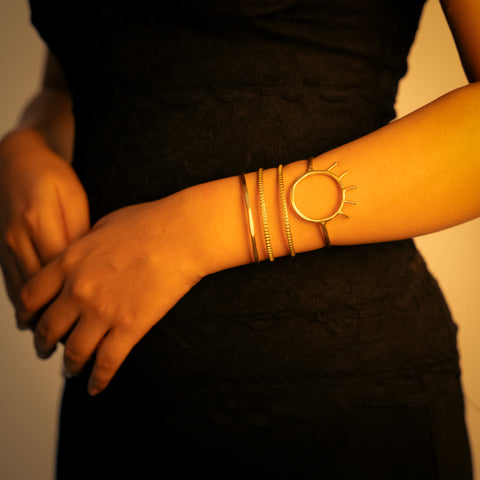
| Cuffs and bangles | Open or rigid bands for the wrist | Golden Sunray Open Brass Adjustable Cuff |
| Chain and charm bracelets | Fine chains, beads or charms | Golden Duo Chain Bracelet |
| Anklets | Fine chains for the ankle | Twin Waves Anklet |
| Body, belly and waist chains | Chains worn at the waist or across the body | Golden Aura Body Chain |
| Hair accessories | Sticks, clips and bands | Minimal Safety Pin Hair Stick |
If you want depth on any row, our guides on wearing ear cuffs without piercing, waist chain designs and bracelets for women in India go further.
From our side of the table. Adjustable rings forgive a size guess, but they are not meant to be squeezed open and shut again and again. The band is thin, so each flex weakens it. Set the fit once, gently, and leave it alone.
What is the difference between western and traditional Indian jewellery?
The main difference is purpose. Traditional Indian jewellery is usually ornate, built around gold and stones, and made for ceremonies and weddings. Western-style jewellery is lighter and simpler, and bought to be worn often.
| Point | Western-style jewellery | Traditional Indian jewellery |
|---|---|---|
| Design | Clean lines, geometric shapes, thin chains | Ornate, detailed, often with stones and motifs (kundan, polki, temple) |
| Materials | Plated brass, stainless steel, alloys, glass, faux pearls | Gold and silver at the core, plus gemstones |
| Weight and scale | Light and small | Often heavier and larger |
| Why it is bought | As a fashion item, to wear and refresh | Often as a keepsake or store of value, and for ceremonies |
| Care | Keep dry, store in a pouch, watch the plating | Cleaning and safekeeping, often by a jeweller |
| Typical price | Low hundreds of rupees for single pieces | Varies widely with gold weight |
The "store of value" point is real. Wikipedia's page on Indian jewellery notes that gold and silver are considered sacred metals in Hindu belief, and that bridal jewellery (streedhan) belongs to the bride as personal wealth and financial security. A pair of ₹419 hoops is not that kind of object, and does not try to be.
That is our opinion in short: they solve different problems. Nobody should feel they must pick a side.
Is western jewellery real gold or silver?
Usually not. Most western-style jewellery is a base metal with a finish on top, and a good seller says so clearly.
Wikipedia lists the common modern materials for costume jewellery as crystals, cubic zirconia, semi-precious stones, gold- or silver-plated brass, vermeil, sterling silver, plastic, acrylic, leather and wood. In our range, the brass collection is brass, which our collection page describes as a blend of copper and zinc. Our rings and earrings collection describes 18K gold plating with a PVD (Physical Vapour Deposition) anti-tarnish coating on a brass base. Stainless steel appears in pieces such as the Sleek Stainless Steel Cuff.
| You see on the listing | What to expect |
|---|---|
| Brass | A copper-and-zinc base with a gold-tone or plated finish |
| Stainless steel | A steel base; the colour may be the steel's own or plated on |
| 18K gold plated | A thin gold layer over another metal, not solid gold |
| Crystal, glass, resin | Decorative stones and beads that are not precious gemstones |
For clarity: our anti-tarnish jewellery page says plainly that pieces are not solid gold or silver. We would rather say that than leave you guessing.
Does western jewellery tarnish, and does anti-tarnish really work?
Plated pieces can tarnish or wear, and anti-tarnish coatings slow that down without stopping it. Our own anti-tarnish page says pieces are tarnish-resistant with normal wear, that the plating is the part that eventually wears thin, and that none is sold as waterproof.
That is the honest version, and we would apply it to any seller. The practical rules are short. Take pieces off before you swim, bathe or work out. Keep them away from strong perfume and chemicals. Store them in a soft pouch. These are the same points our brass collection page makes. Our handmade jewellery care guide goes deeper.
From our side of the table. Rings and cuffs usually show wear on the inside first, because the inner edge rubs against skin all day. Stacked rings also rub against each other, so the faces that touch fade sooner. If you stack, rotate the order now and then.
If you want to browse pieces with this kind of finish, start with the anti-tarnish jewellery collection, anti-tarnish necklaces or anti-tarnish body chains, or anti-tarnish jewellery under ₹999.
Which western jewellery pieces suit everyday wear?
The ones with small, closed shapes: studs, small hoops, rings and cuffs. They have few joins to open and little to snag.
Larger or finer shapes need more care. Layered necklaces tangle if you store them loose. Body chains and anklets catch on clothes. Statement earrings are fine for daily wear, but they are heavier on the lobe by evening. Our body chains and anklets are made for regular wear, but they ask for gentler habits.
If you are starting from nothing, our suggestion is three pieces: one pair of hoops, one ring set and one layered chain. That gives you ears, hands and neck covered without buying a drawer full.
For a wider view of what customers pick first, see our best sellers, or browse new arrivals.
Can you wear western and Indian jewellery together?
Yes. That is exactly what "indo-western" jewellery means: mixing traditional and contemporary pieces in one look.
Three rules keep it clean. Choose one hero piece, such as a set of bangles or a traditional earring, and keep the rest simple. Keep the metal tone consistent, so gold-tone sits with gold-tone. And mind the scale: if one piece is heavy, let the others be fine. Our guides to stacking bangles and styling handmade jewellery have worked examples.
How much does western jewellery cost in India?
Single western-style pieces from small brands usually run from the low hundreds up to about ₹500, with sets and multi-way chains costing more. Here is where our checked prices sit.
| Piece type | Our prices (checked 20 October 2026) |
|---|---|
| Ear cuff | ₹299 |
| Studs, hoops and statement earrings | ₹419 to ₹429 |
| Adjustable rings (single) | ₹319 to ₹449 |
| Ring sets | ₹369 (set of 3) to ₹699 (set of 5) |
| Cuffs and chain bracelets | ₹299 to ₹449 |
| Layered necklaces | ₹299 to ₹349 (necklace and bracelet set ₹699) |
| Body chains and anklets | ₹249 to ₹499 (multi-way body chain necklace ₹799) |
Prices change, so confirm on each product page. Orders above ₹499 ship free. If you are comparing sellers, a price far below the going rate for a plated piece deserves a question about the finish and the materials.
How do you pick good-quality western jewellery?
Use the same five checks you would use for any fashion jewellery: the clasp or closure, the joins, the finish, the weight and the seller's damage policy.
Ask for a named material, look for a close-up photo, and read what happens if the piece arrives damaged. At Hashtack, damage reported within 48 hours is replaced. Our full checklist is in how to tell if dainty jewellery is good quality, and the same tests work for hoops, rings and chains.
One extra point for sensitive ears. Our beaded earrings collection says all its hooks and posts are nickel-free and skin-safe. We cannot say the same for every western-style piece unless its page does, so ask us if you have a known allergy. A study reported in Dermatology Times found nickel in 85 of 277 earrings bought in San Francisco in 2007, and no price point reliably predicted it.
Which western-style pieces should you look at first?
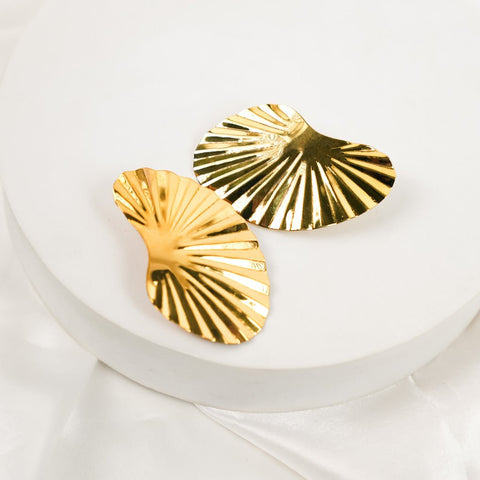
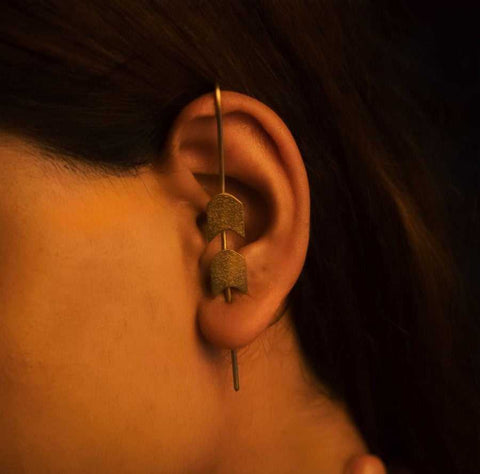
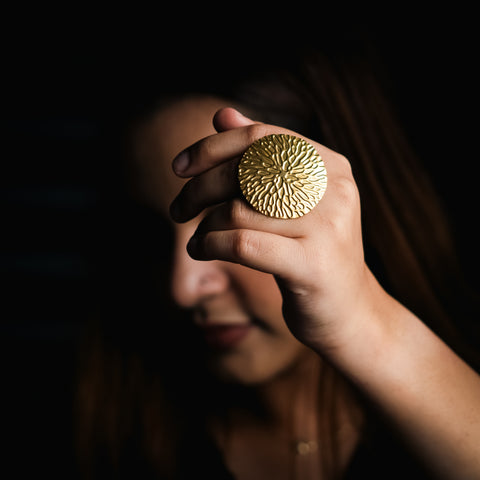
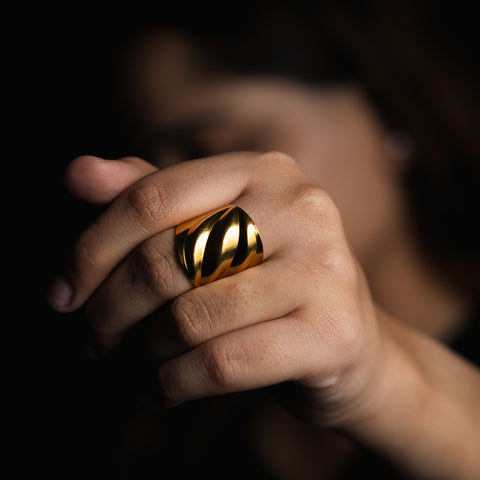
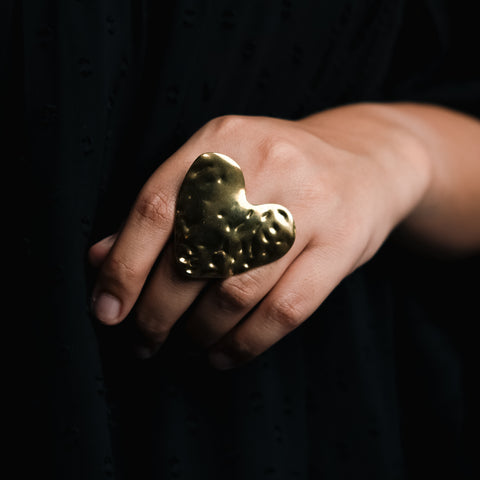
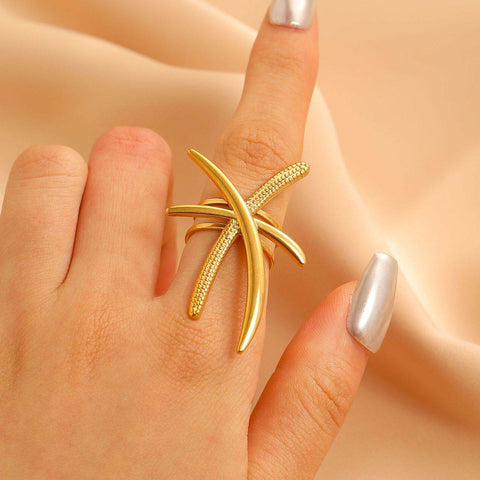
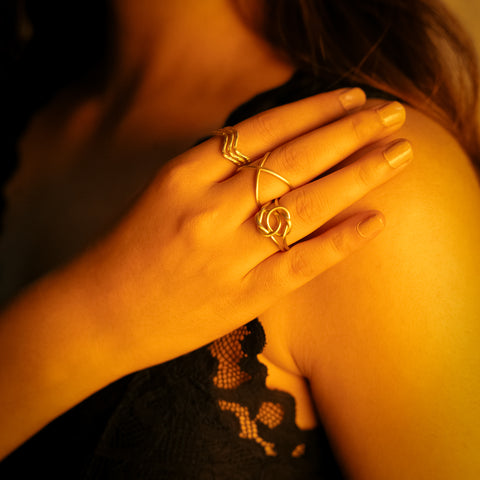
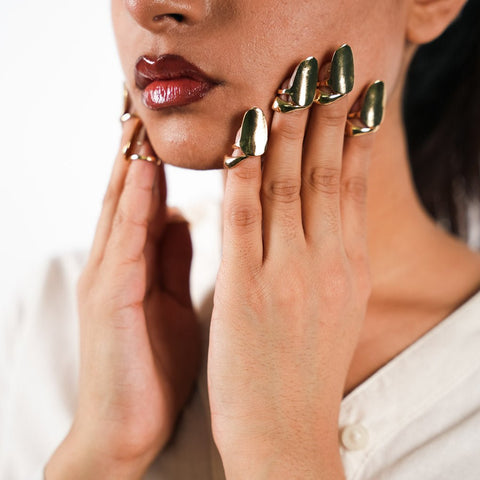
Here are 30 pieces from our range, grouped by type. Prices were checked on 20 October 2026, so confirm on the product page. You can also browse rings and earrings, stainless steel, the brass collection, pearl jewellery and hair accessories.
Studs, hoops and ear cuffs
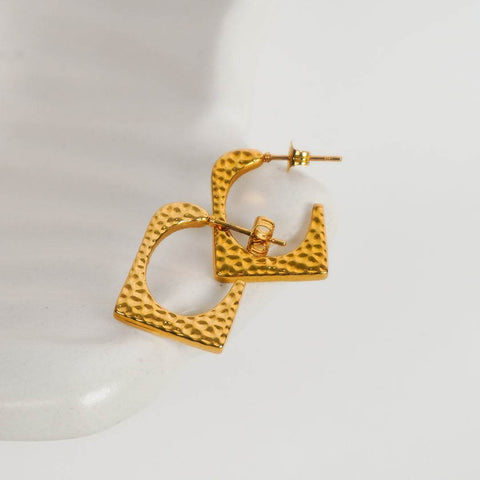
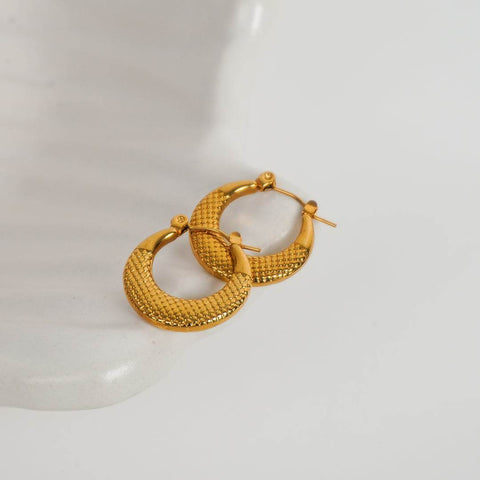
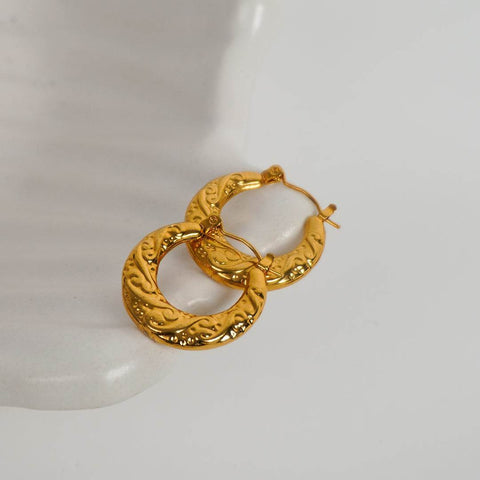
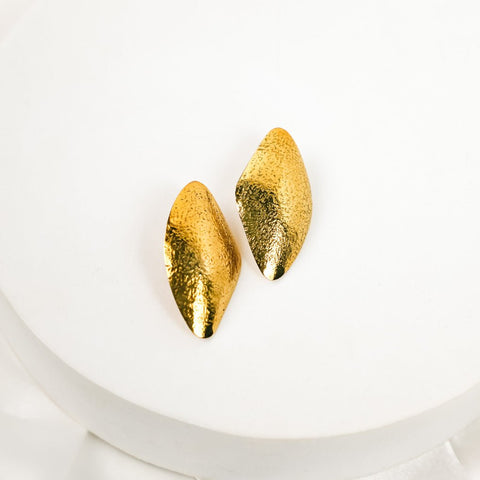
Rings, single and in sets
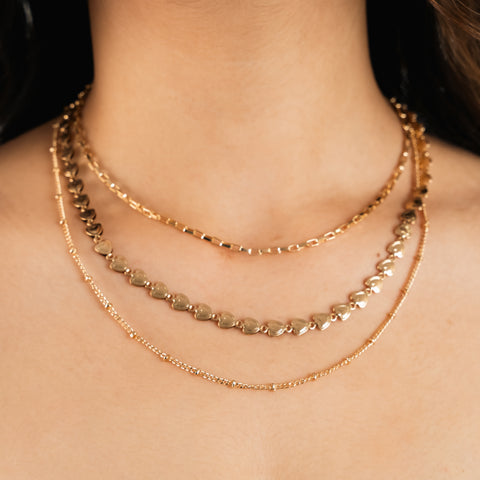
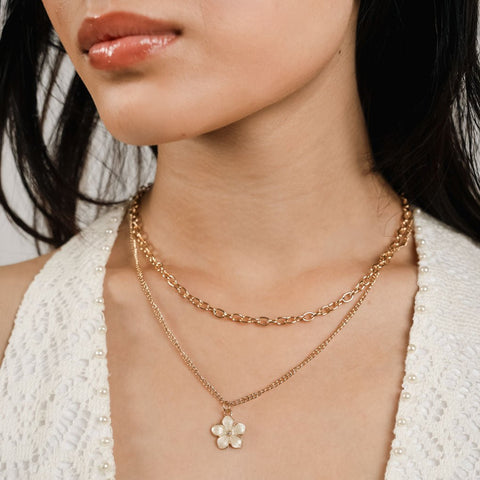
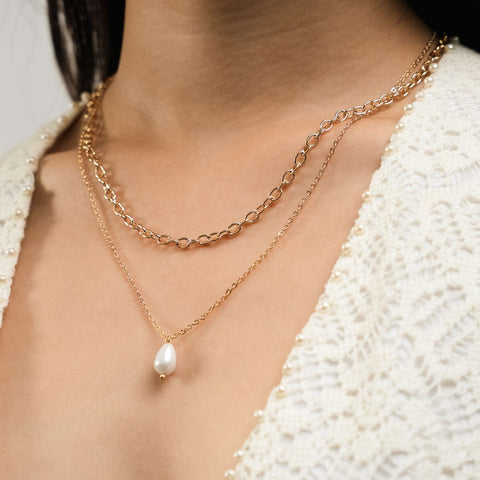
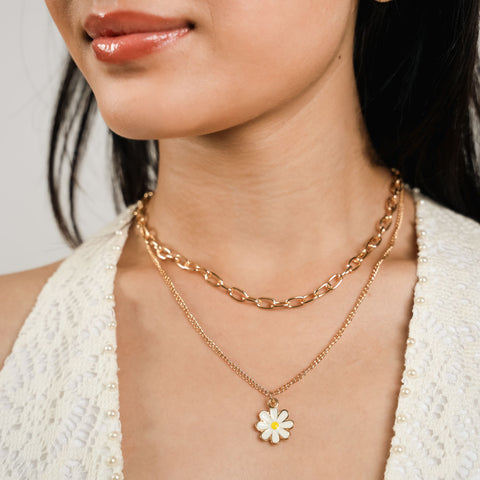
Layered and statement necklaces
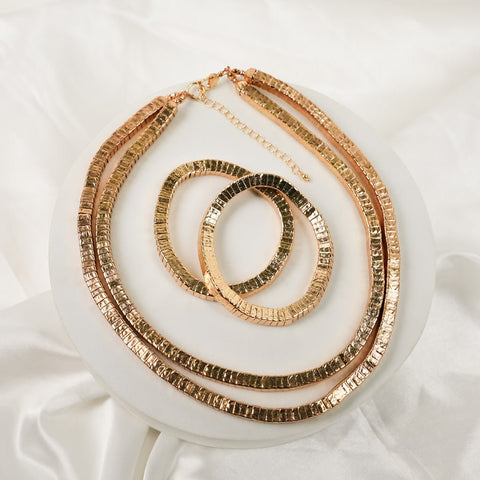
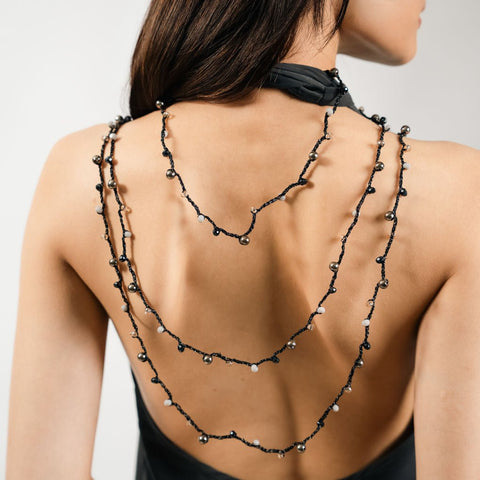
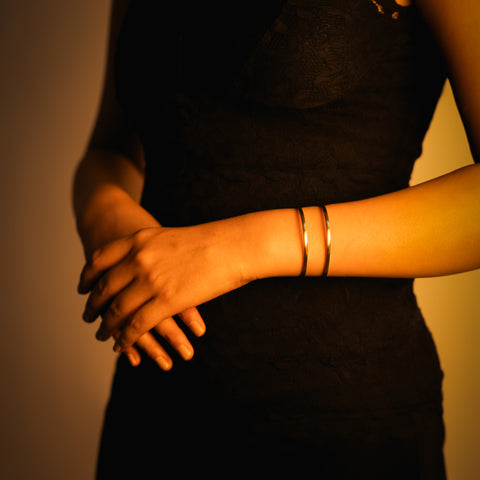
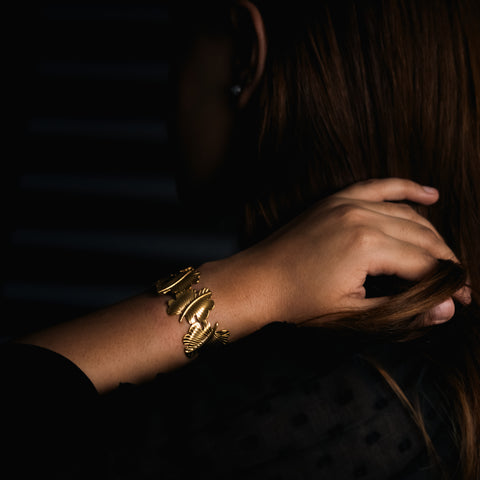
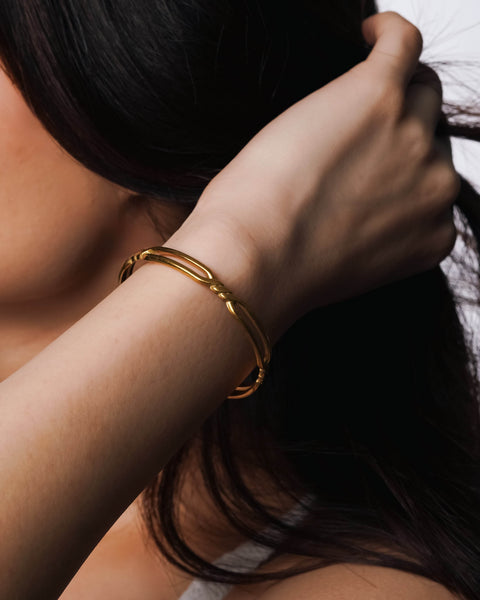
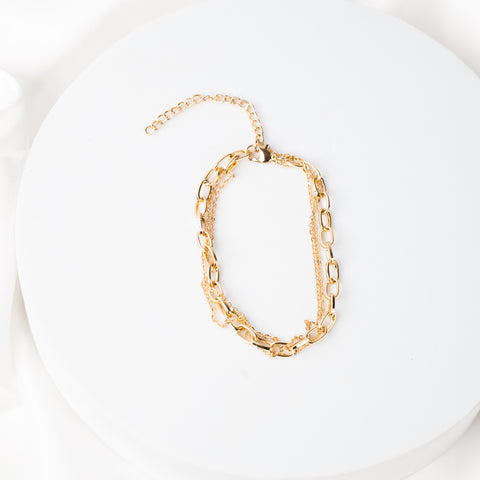
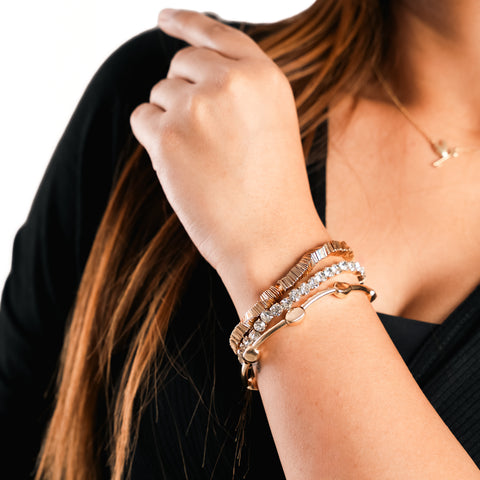
Cuffs and bracelets
Body chains, waist chains and anklets
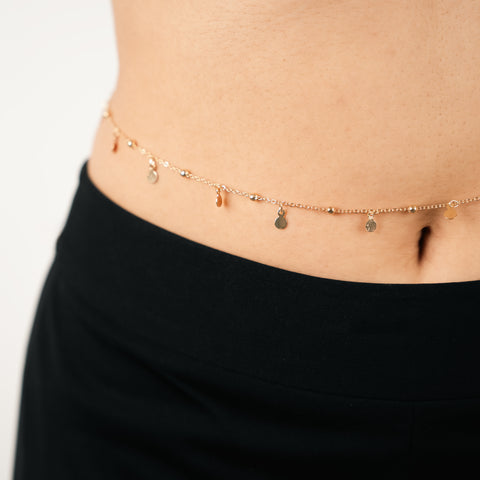
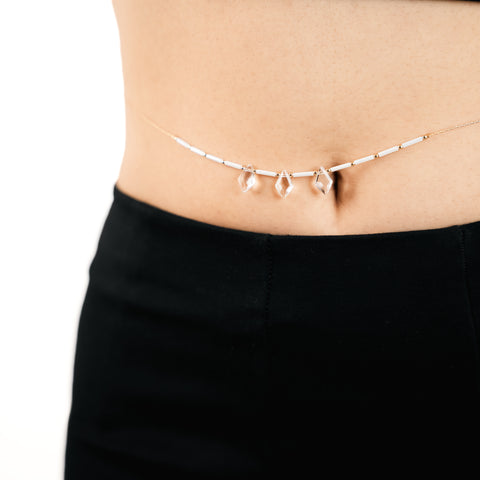
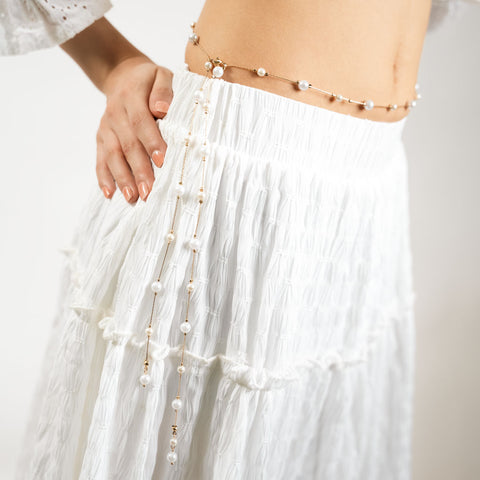
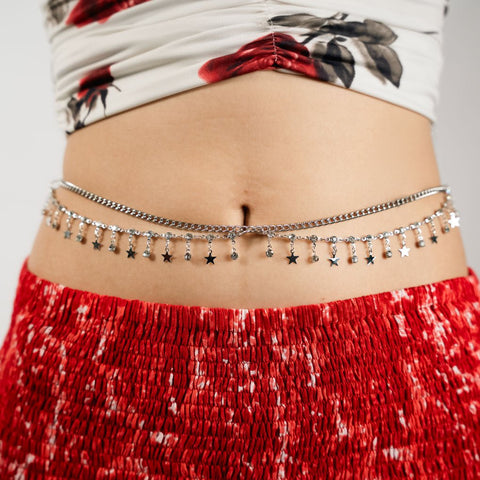
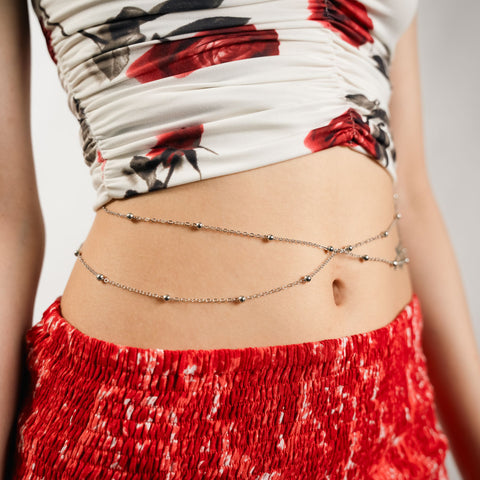
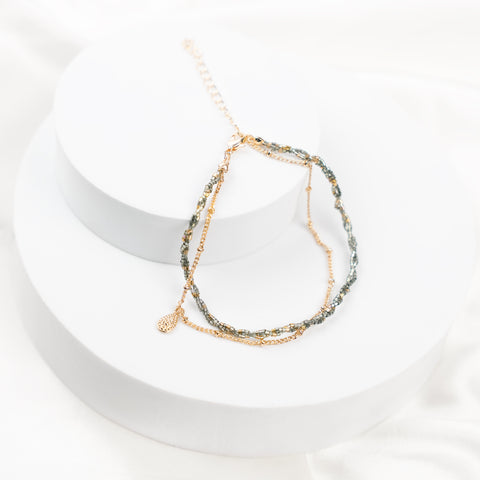
Prefer a finer, lighter look? See our dainty jewellery collection, necklaces and chains, and bracelets. For larger statement pieces, our thigh chains are also worth a look.
Frequently asked questions about western jewellery
What is western and oxidised jewellery?
Western describes a style, and oxidised describes a finish. Oxidised jewellery has a deliberately darkened, antique-looking surface, usually on a silver-tone base. The two overlap when a modern, simple design is given that dark finish, which is why shops list "western oxidised" pieces. They are not the same thing: you can have western jewellery in bright gold-tone and oxidised jewellery in traditional shapes. Check the listing for the finish as well as the style.
Where can I buy western jewellery online in India?
You can buy it from marketplaces, fashion platforms and independent brands. Choose by what the listing tells you, not by the label. Look for a named material and finish, clear close-up photos, a readable damage policy, and honest wording about plating. We are a Noida-based brand, and orders above ₹499 ship free. Our rings and earrings and necklaces are good places to start.
What are 10 types of jewellery?
The ten types most shoppers mean are earrings, necklaces, bracelets, bangles, rings, anklets, pendants, brooches, hair ornaments and body chains. Within western-style jewellery, earrings and necklaces are further divided: studs, hoops and drops for ears, and layered, pendant and choker styles for necks. The table in this guide lists eleven specific types, with an example of each from our range.
What are the different types of western earrings?
The common types are studs, hoops, huggies (small hoops that hug the lobe), drop and dangle earrings, statement earrings, and ear cuffs. Studs are the quietest and easiest for daily wear. Hoops come in sizes from tiny to large. Drops hang below the lobe, and cuffs clip over the ear's edge without a piercing. See our Textured Gold Hoop Earrings and Auric Drift Textured Stud Earrings for examples.
What is a western jewellery necklace?
It is a necklace in a contemporary, global style: a fine chain, a pendant, or two or three chains layered together, rather than a heavy ornate set. Western necklaces are usually lighter and sit closer to the neck. Look at the clasp, the length and the finish before you buy. Examples from our range are the Golden Dream Triple Layered Necklace and the Pearl Drop Layered Necklace.
Does "western jewellery" mean something different in the US?
Yes. In the US, the phrase "western jewelry" commonly means cowboy and Southwestern style: turquoise stones, silverwork and ranch-inspired motifs. Google's suggestions show this clearly, with searches such as "western turquoise jewelry" appearing for the same phrase. In India, the label means contemporary fashion jewellery in global styles. If you are shopping in India, search by piece type to avoid confusion.
Which type of jewellery is best?
No single type is best. It depends on purpose. For daily wear, small closed shapes such as studs, rings and cuffs last longest. For keepsake value, solid gold and silver are the right choice. For fashion, affordable pieces let you try styles without commitment. Whatever you choose, check the clasp, the joins and the finish. A well-made ₹419 pair of hoops will serve you better than a poorly made, expensive piece.
How do you know if western jewellery is safe for sensitive skin?
Look for a listing that names the material and says whether it is nickel-free. Nickel is the common cause of reactions, and price does not reliably predict it. Researchers in a US earring study reported by Dermatology Times advised allergic wearers to choose stainless steel or gold, and a one-day wear test at home helps. Our beaded earrings page says its hooks and posts are nickel-free and skin-safe, but we cannot make that claim for every piece. If you have a known allergy, message us before ordering.
Start with the pieces you will wear every day.
Hoops, rings and a layered chain cover most of it. Orders above ₹499 ship free from Noida.
Shop rings and earrings Shop necklaces


