


 Best seller
 Trending
Hashtack JournalAnti-Tarnish
How to Care for Handmade Jewellery: The Daily-Wear Do’s and Don’ts Checklist (2026)
In this article16
Last on, first off, one pouch per piece. The do's and don'ts we actually follow for resin, wooden, brass and beaded jewellery, plus how to stop tarnish in Indian humidity.
Updated 16 October 2026 · By the Hashtack team, Noida
Here's how to care for handmade jewellery in one line: put it on last, take it off first, keep it dry, and store every piece on its own. That covers about 80 per cent of what keeps daily-wear pieces looking new. The rest depends on what your jewellery is made of, because resin, wood, brass, stainless steel and beads each fail in a different way.
We make and pack resin bangles, wooden stacks, brass cuffs and beaded necklaces every day in Noida. So this guide isn't a generic list. It's the do's and don'ts we actually follow, sorted by material, with the honest bits most jewellery care tips leave out.
Quick Answer: The Short Version
Handmade jewellery lasts longest when it meets as few chemicals and as little water as possible. Perfume, sanitiser, sunscreen, hairspray, chlorine and sweat do more damage than everyday wear ever will. So apply all of those first, let them dry, and only then put your jewellery on. Take it off before you shower, swim, cook, clean or work out.
Storage matters almost as much as wearing. Pieces thrown together in one box scratch each other, and anything put away damp starts to dull at the clasps and findings. Give each piece its own pouch or compartment. The Gemological Institute of America says plainly that jewellery should never be tossed into a drawer, because that is how scratches happen.
Cleaning should be boring. A soft dry cloth after wearing does most of the work. For a deeper clean on non-porous pieces, use warm water with a drop of mild dish soap and a soft brush, then dry completely. Skip toothpaste, baking soda and vinegar on anything plated: they are abrasive or acidic, and a fashion-jewellery plating is only microns thick.
Material changes the rules. Resin has no plating, so it cannot tarnish, but it scratches and dislikes hot water. Wood hates water and direct sun. Brass will darken over time and can leave a harmless green mark from its copper content. Stainless steel copes with water better than anything else we sell, though better is not waterproof. Glass and resin beads don't tarnish at all; their weak point is the elastic or thread they're strung on.
And the honest part: "anti-tarnish" means slower, not never. Even the best finish thins with friction. Care buys you months or years; it doesn't buy you forever. If you want the lowest-effort option for Indian humidity, choose resin, beads or stainless steel for daily wear and keep plated brass for days you can look after it.
Jump to a section
Why Does Handmade Jewellery Need Different Care From Gold?
Because almost none of it is solid precious metal. Fine gold jewellery is one material all the way through. Handmade fashion jewellery is usually several materials glued, strung or plated together, and each joint is a place where water and chemicals can get in.
Take a single pair of our beaded drop earrings. There's glass, a metal hook, a jump ring and sometimes a gold-tone finish. The beads will look the same in ten years. The hook won't, unless you keep it dry.
That's why the usual "jewellery maintenance tips" written for gold and diamonds miss the point for pieces from our beaded jewellery or resin bangles range. You're not protecting one metal. You're protecting the weakest part.
What Should You Never Do With Daily-Wear Jewellery?
Tap each one. These are the eight habits we see shorten a piece's life most often.
DON'T Spray perfume after your jewellery is on
Alcohol and fragrance oils sit on the surface all day. GIA notes that hairspray, lotion and perfume can permanently damage pearls and porous stones such as turquoise. On shell and plated metal, we see the same dulling. Spray first, wait two minutes, then dress up.
DON'T Wash hands or use sanitiser with rings and bangles on
Hands touch more soap and alcohol than any other part of you. This is the single biggest reason gold-tone rings fade at the palm side first.
DON'T Swim or bathe in it
Chlorine is harsh on metal. GIA advises removing fine jewellery before a chlorinated pool and warns that chlorine bleach can pit gold alloys. Fashion finishes are thinner, so they give up faster.
DON'T Toss everything into one box
Beads scratch resin. Clasps scratch plating. Chains tangle into knots you'll cut. One pouch per piece fixes all three.
DON'T Put anything away damp
Moisture trapped in a closed box is how findings turn dark overnight. Air-dry for an hour on a towel first.
DON'T Use toothpaste, baking soda or vinegar on plated pieces
We'd skip these internet hacks. They're abrasive or acidic, and they can take a thin plating off in one scrub. Save them for solid metal you don't mind re-polishing.
DON'T Drop fashion jewellery into an ultrasonic cleaner
GIA cautions that the vibration can loosen stones and damage resin-filled or coated materials. It isn't worth the risk for a ₹400 piece.
DON'T Stretch a beaded bracelet over a closed fist
Roll it on instead. The elastic, not the beads, is what wears out first on a stretch bracelet.
What Are the Daily Habits That Keep Jewellery Looking New?
Last on, first off. Get dressed, finish your make-up and skincare, then put jewellery on. Reverse it at night.
- DO Wipe each piece with a soft dry cloth when you take it off. It removes sweat and skin oil before they settle.
- DO Rotate. Wearing the same bracelet every day for a year wears it out faster than rotating three.
- DO Wear bangles on the wrist without your watch, so metal doesn't grind against metal.
- DO Keep a pouch in your handbag for when you need to take things off mid-day.
- DO Check clasps and jump rings once a month. A slightly open ring is easy to close with fingers; a lost earring isn't.
- DO Adjust an open cuff once, at the back, never the decorated centre. Metal weakens every time it's bent.
- DO Give heavy-wear pieces a rest day after a sweaty one.
How to Care for Handmade Jewellery by Material
Find your material, then follow that row. The bars are our own maintenance rating from what we see on the packing table, not a lab score.
| Material | Effort needed | Main enemy | What to do |
|---|---|---|---|
| Resin (tarnish-free bangle sets) | Low | Scratches, hot water | Dry cloth wipe; store bangles apart, not nested |
| Wood (wooden bangles) | Medium | Water, sun, sanitiser | Keep dry; buff with cotton cloth; no soaking |
| Brass, gold-tone (brass bangles) | High | Sweat, humidity, perfume | Polishing cloth for dullness; dry storage |
| Stainless steel (stainless steel jewellery) | Lowest | Scratches | Rinse and dry; still remove before swimming |
| Glass, resin beads (beaded earrings) | Low | Worn elastic, wet thread | Roll on; keep thread dry |
| Shell, pearl (pearl edit) | Medium-high | Alcohol, perfume, acids | Perfume first; damp cloth only; lay flat to dry |
Wood with brass detail is the trickiest combination, because the two want opposite things. Polish the metal with a dry cloth, never liquid polish, which stains the wood beside it. Our complete wooden bangles guide goes deeper on this.
How Do You Keep Jewellery From Tarnishing?
Limit contact with air, moisture and chemicals, and you slow tarnish right down. You can't stop it completely on brass or copper-based metal, because tarnish is simply the metal reacting with its surroundings.
Three things help most. Store pieces in closed pouches with a silica gel sachet. Wipe sweat off the same day. And keep plated pieces for drier days in the Delhi and Noida summer, when a single humid afternoon can do a week's worth of dulling.
Or pick materials that can't tarnish at all. Resin, glass, shell and stainless steel sidestep the problem, which is why our anti-tarnish daily wear jewellery leans on them. For metal looks, the anti-tarnish jewellery edit and anti-tarnish necklaces hold their colour longer than uncoated brass. Longer, not forever.
Why Does Jewellery Turn Black or Green, and Is It Harmful?
Green marks come from copper. Brass is mostly copper, and copper reacts with sweat, lotions and sanitiser to form green compounds that rub off on skin. It's harmless and washes off with soap.
Black or dark patches on the jewellery itself are usually oxidation, the same reaction happening on the metal surface instead. Sweatier days and humid months speed it up.
One quick fix people search for: clear nail polish on the inside of a ring or cuff. It works as a temporary barrier between metal and skin, though it peels and needs redoing every few weeks. If the redness itches or blisters rather than just staining, that's a skin reaction, not a stain; stop wearing the piece and choose stainless steel or non-metal designs instead.
How Do You Clean Artificial Jewellery at Home Safely?
Gently, and rarely. Most pieces need a dry wipe, not a wash. When something is genuinely grimy:
- Check the material. Never wet wood, shell or anything strung on thread.
- Mix warm water with one drop of mild dish soap. GIA recommends this for most coloured gems, with no detergents.
- Dip a soft brush, not the jewellery. A clean make-up brush or baby toothbrush is ideal.
- Rinse in a bowl, not over the sink. Loose stones and earring backs go down drains.
- Pat dry, then air-dry fully before it goes back in its pouch.
- Buff plated metal with a jewellery polishing cloth for shine.
That's it. If a piece needs more than this, it's usually past cleaning and into replating territory, which costs more than most fashion jewellery is worth.
How Should You Store Jewellery at Home So It Doesn't Tarnish?
Separately, dry and away from light. GIA says the box or pouch a piece arrives in is a perfectly good home for it. Every Hashtack order ships in a pouch for exactly this reason.
A few specifics. Hang necklaces or lay them flat so chains don't knot. Keep bangles side by side rather than stacked inside each other. Keep wooden pieces out of sunny windowsills. For travel, a zipped makeup and travel pouch with small inner bags does the job of a jewellery case.
Can You Wear Jewellery in the Shower, at the Gym or to Bed?
Shower: no, for anything except stainless steel, and even that lasts longer dry. Gym: no, because sweat and knocks together are the fastest way to dull a finish and bend a cuff. Bed: we'd take it off. Sleeping in earrings and chains snags hair and stresses clasps, and you gain nothing.
The one piece people ask about most is the ring that "never comes off". If that's you, choose an adjustable stainless steel design from rings and earrings and accept that even steel prefers a dry life.
How Do You Care for Jewellery in the Monsoon and Indian Summer?
Humidity is the enemy you can't see. In July, pieces can dull in a closed cupboard without being worn at all.
Add silica sachets to every storage box and replace them each season. Wipe jewellery the moment you come in from the rain. And lean on resin and beads during the wettest weeks: our anti-tarnish jewellery under ₹499 is built on materials that don't mind humidity, which makes them the sensible monsoon rotation.
How Long Does Handmade Fashion Jewellery Actually Last?
Honest answer: it depends far more on the material than the price. Resin and glass can look the same for years. Stretch cord usually needs replacing within a year or two of regular wear. Plated brass might keep its first finish for months in a humid city, longer in a dry one, longer still if you follow the rules above.
We'd rather say that than promise forever. If you want something you can wear daily without thinking, buy resin or stainless steel. If you love the warmth of brass, budget for the patina and a polishing cloth.
What Can You Fix at Home, and What Isn't Worth It?
Worth doing: closing a gapped jump ring with your fingers, reshaping a cuff gently at the back, re-knotting a loose bead thread. Not worth doing: re-plating a ₹300 ring, gluing a cracked resin bangle (the crack shows), or trying to "restore" an antique-finish piece with metal cleaner, which strips the darkened finish that was put there on purpose.
From our workshop: the most common problem we hear about isn't tarnish. It's bangles that don't fit and get forced over the knuckles, which chips resin and strains wood. Measure first with our bangle size guide at home, then build your set from bangle stacks and sets in one size.
Which Hashtack Pieces Need the Least Maintenance?
If low effort is your priority, these are the ones we'd pick. Prices are as listed on the site today.
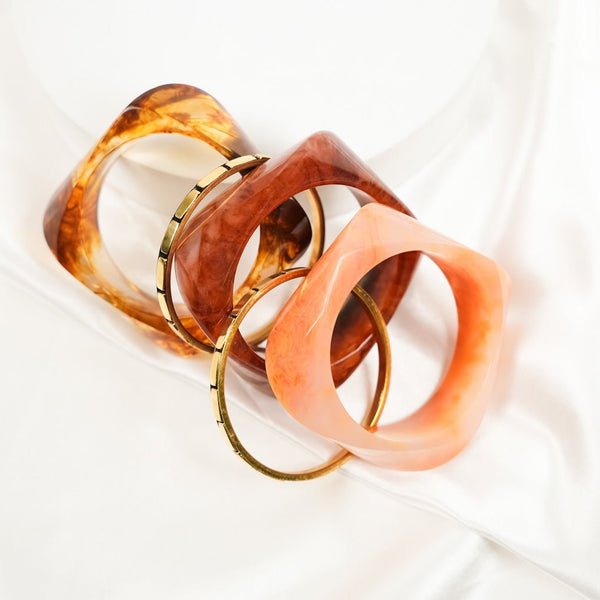 Sunset Resin Bangle Stack₹999Resin, so nothing to tarnish
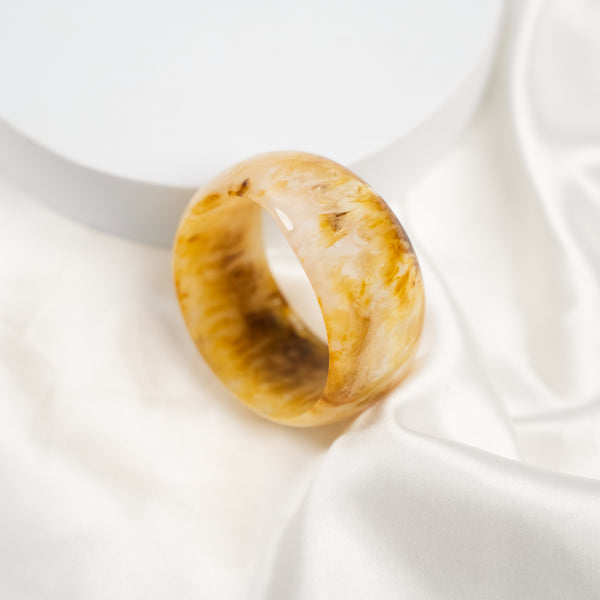 Golden Marble Bangle₹399Colour runs right through
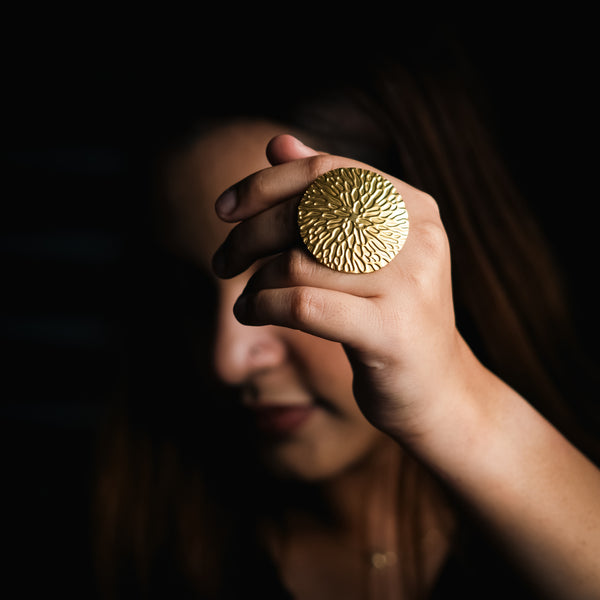 Timeless Wide Gold Adjustable Ring₹319Adjustable everyday ring
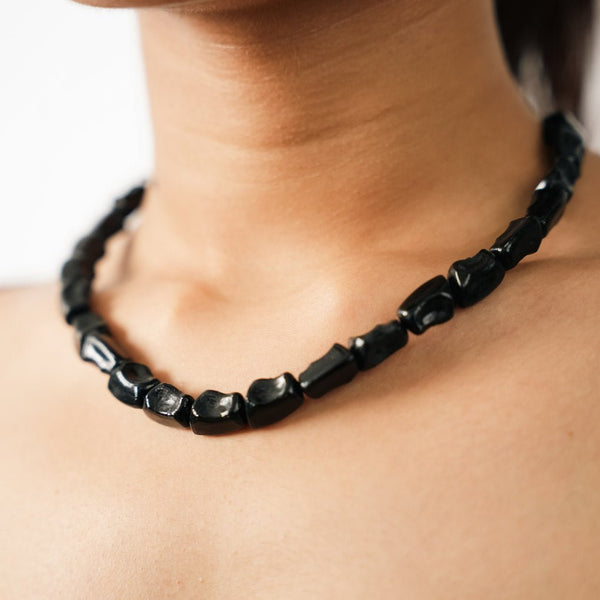 Midnight Drift Necklace₹339Beads don't oxidise
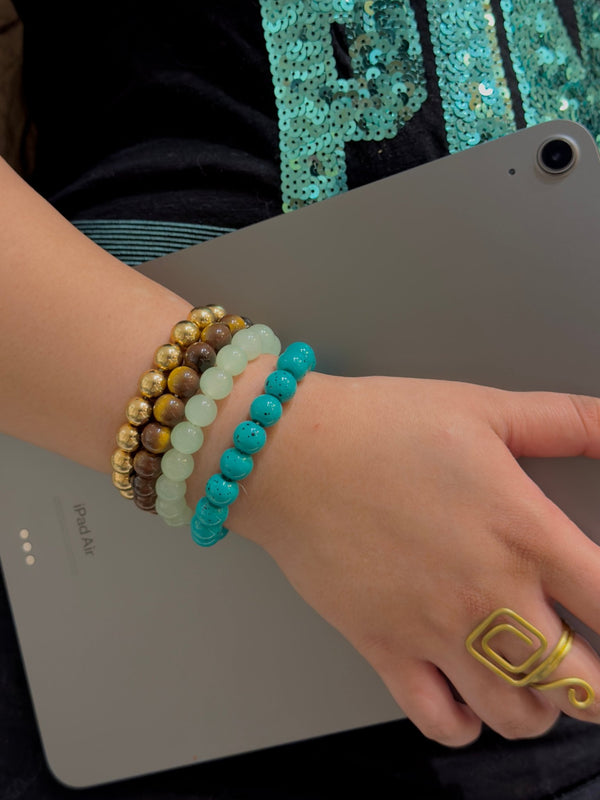 Soleil Tides Bracelet₹499Roll on, don't stretch
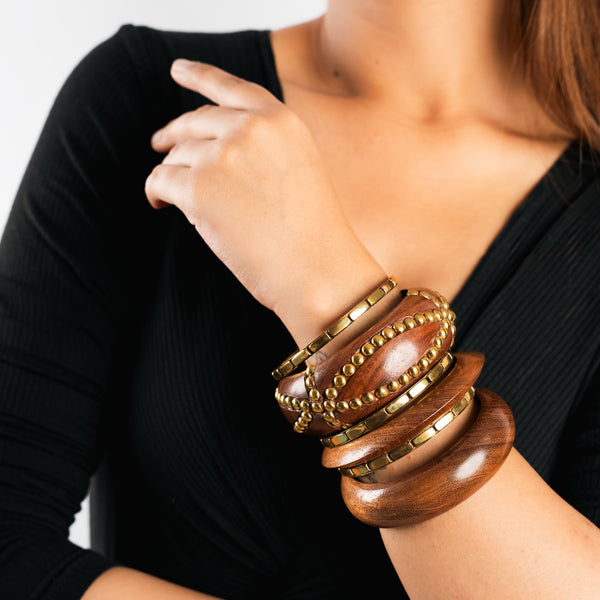 Wooden Aura Bangles₹899Keep dry, buff with cotton
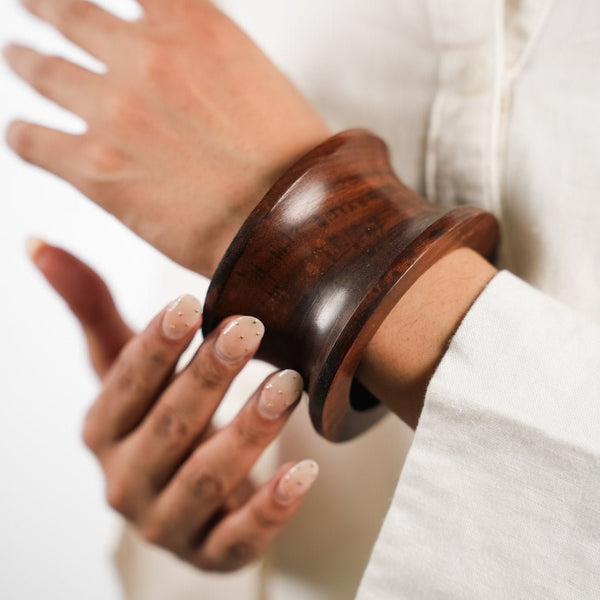 Rustic Noir Wooden Bangle₹599Light, quiet, office-safe
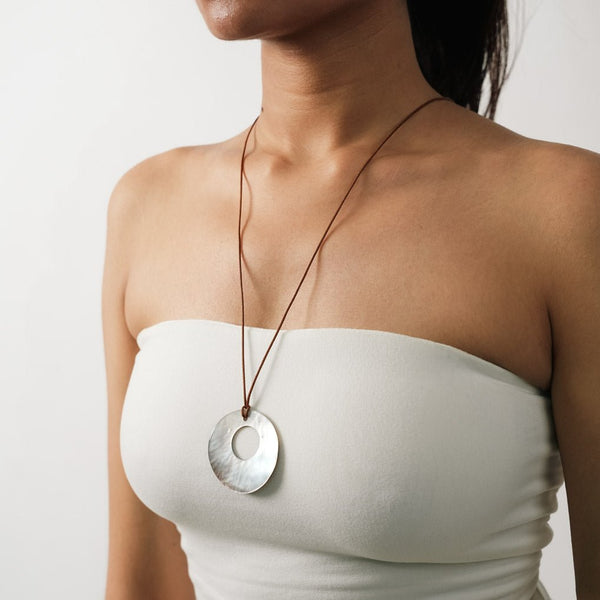 Luna Halo Necklace₹349Shell: perfume first
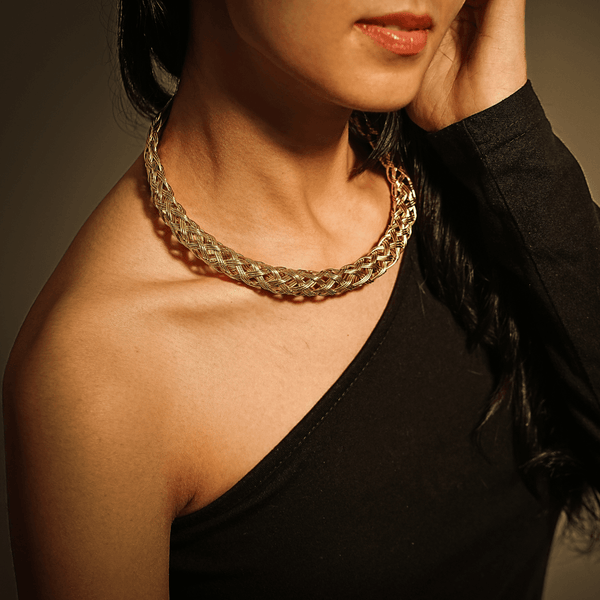 Golden Aura Brass Necklace₹499Brass: dry storage, cloth polish
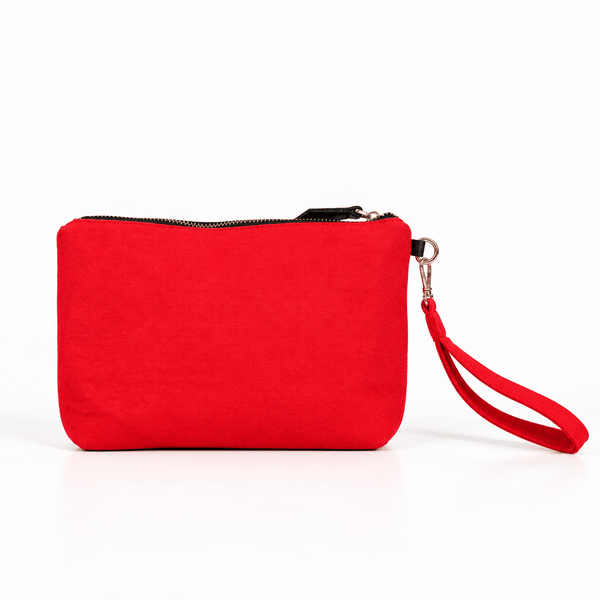 Crimson Muse Wristlet₹999A home for pieces on the go
Browse more by material: adjustable bracelets, brass jewellery, necklaces, waist chains and anklets, dainty jewellery, best sellers and new arrivals. Shipping is free above ₹499.
Frequently Asked Questions
How do I take care of jewellery so it doesn't tarnish?
Keep it away from water, sweat and chemicals, and store it dry. Put jewellery on after perfume and skincare, take it off before bathing or the gym, and wipe it with a soft cloth after each wear. Store each piece in its own closed pouch with a silica sachet. On brass, this slows tarnish rather than stopping it, so if you want zero tarnish, choose resin, beads or stainless steel for everyday use.
What is the best way to store artificial jewellery to keep it looking new?
One piece per pouch or compartment, in a dry, dark place. Separating pieces stops scratches and tangles, and keeping them dry stops clasps darkening. Lay necklaces flat or hang them, keep bangles side by side, and never put anything away damp. The pouch your jewellery arrived in is a good long-term home, and a silica gel sachet in the box helps a lot during the monsoon.
How can I polish artificial jewellery at home?
Use a dry jewellery polishing cloth with light, one-direction strokes. That restores shine on gold-tone and brass pieces without removing the finish. Avoid toothpaste, baking soda and metal-cleaning liquids on plated jewellery, because they're abrasive or harsh enough to strip a thin plating. Never polish wood, resin or antique-finish pieces with metal cleaner; a dry cotton cloth is all those need.
How do I keep fake gold from turning green?
Keep the metal and your skin apart, and keep both dry. The green comes from copper in the base metal reacting with sweat and lotion. Wipe the inside of rings and cuffs after wearing, avoid wearing them during workouts, and try a thin coat of clear nail polish on the skin-facing side as a temporary barrier. It's harmless and washes off, but stainless steel avoids it altogether.
What is the best homemade solution to clean jewellery?
Warm water with a single drop of mild dish soap. Apply it with a soft brush, rinse in a bowl, then pat dry and air-dry completely. That's safe for metal, glass and resin. It isn't safe for wood, shell, pearls on thread or antique finishes, which should only ever be wiped with a dry or barely damp cloth. Skip vinegar and lemon on plated pieces; acids eat into thin finishes.
Should you wear jewellery to bed?
We'd take it off. Sleeping in earrings, chains and bangles stresses clasps, snags hair and bedding, and presses metal into skin for hours. There's no benefit to the jewellery either, since sweat overnight speeds up dulling. If you're attached to one ring, choose an adjustable stainless steel design, which tolerates continuous wear best.
Why does my jewellery go black?
It's oxidation: the metal surface reacting with moisture, sweat and air. Brass and copper-based pieces darken fastest, especially in humid weather or when stored damp. A polishing cloth brings back shine on solid brass. If the dark patch is on a plated piece, the plating may have worn through at that spot, which is common on ring bands and bangle edges that rub all day.
How do I clean beaded jewellery?
Wipe beads with a barely damp cloth, never soak the piece. Glass and resin beads are fine with water, but the elastic, thread and metal findings they're strung on are not. Dry it flat on a towel for an hour before storing. For stretch bracelets, the cord wears out before the beads ever will, so roll them on rather than stretching them over your hand.
Keep It Simple and It'll Keep Its Shine
You don't need a cleaning kit. You need three habits: last on, first off, and one pouch per piece. Do that and most of what you own will look the way it did on the day it arrived.
Shop low-maintenance daily wear
Want to style what you've got? Read how to style handmade jewellery and how to stack bangles next. Sources: GIA jewellery care tips; Reviewed, why cheap jewellery turns skin green; GIVA jewellery care guide.


